DoctorHealth

DoctorHealth Features and Functions

Continuous Cardiac Monitoring.
- Anytime, Anywhere -

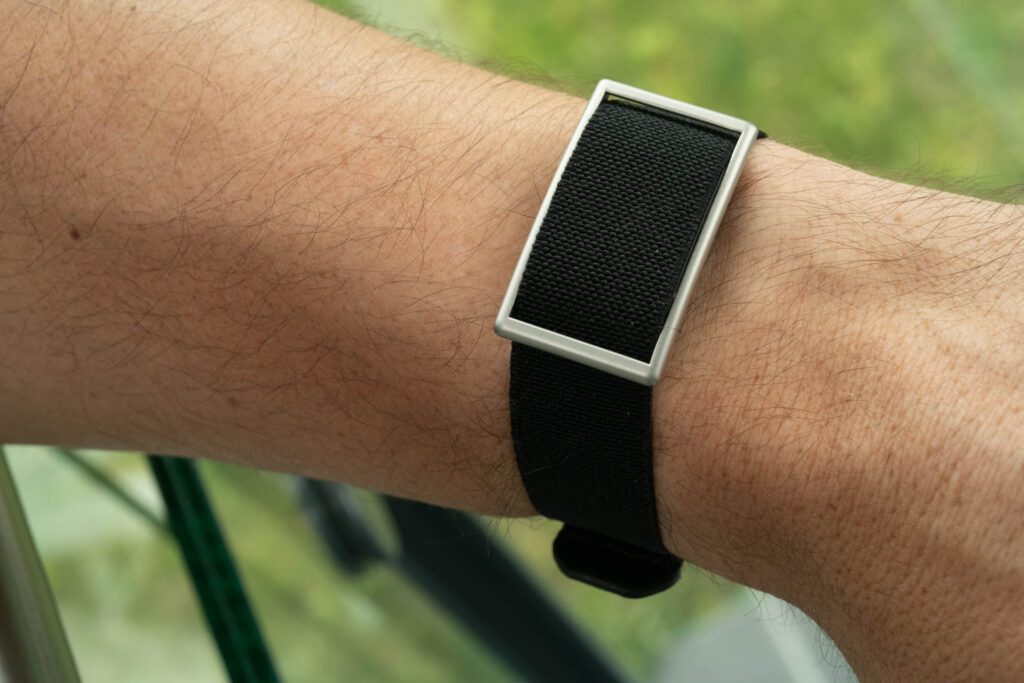
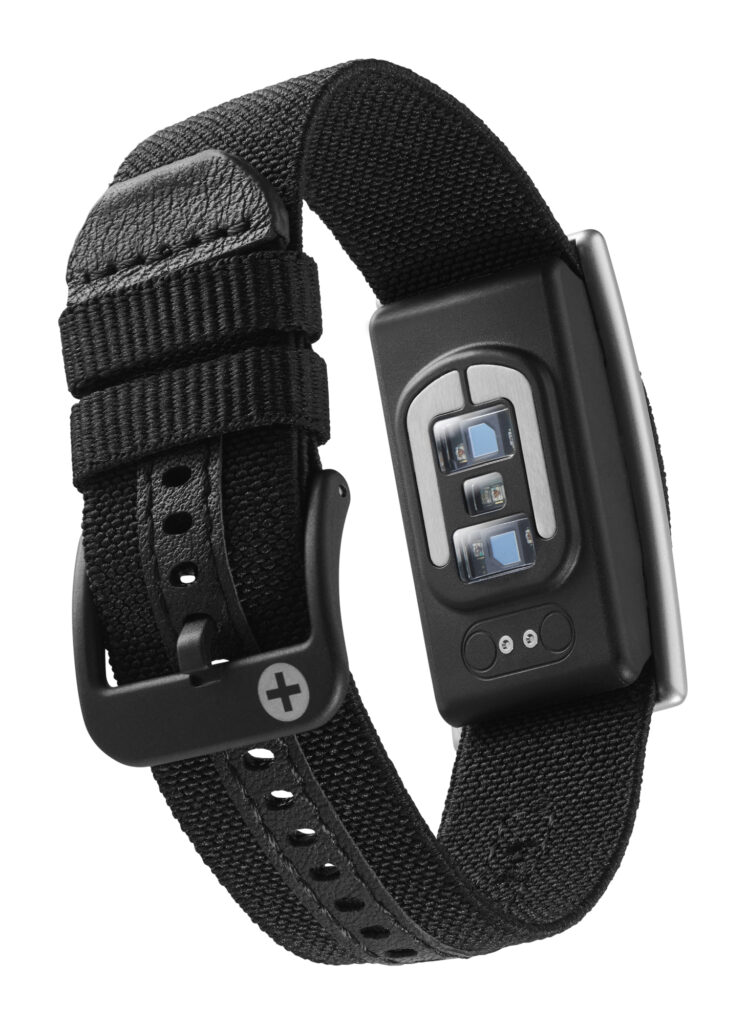
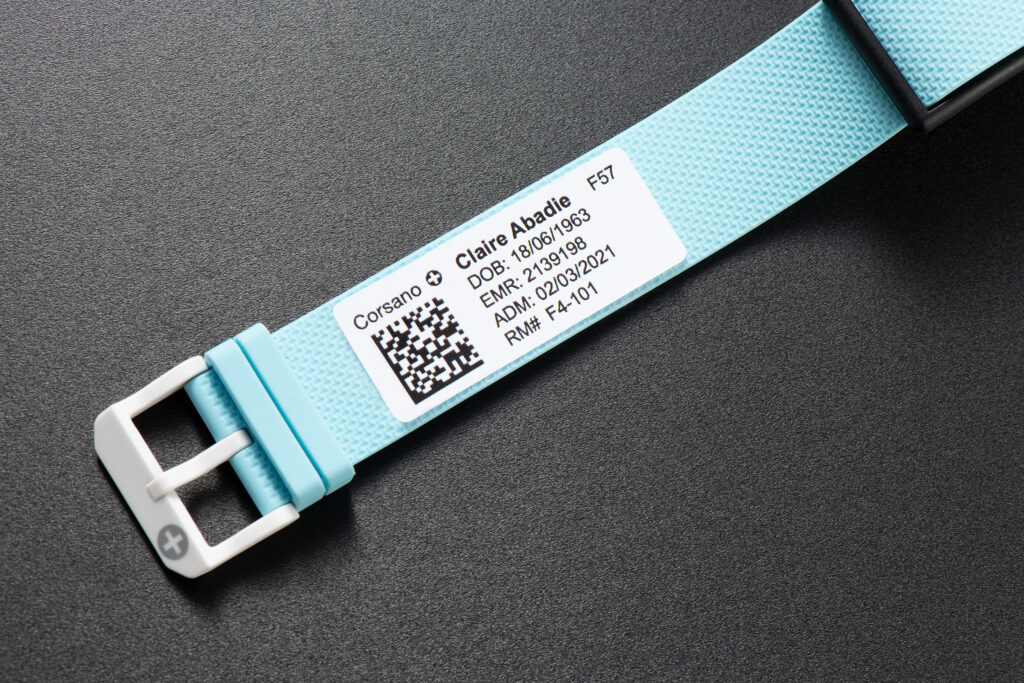
ITI Technology is a health-tech company developing, producing and marketing certified devices for continuous in hospital and in-home remote patient monitoring. DoctorHealth Device is a precision quality product made by our partner in Switzerland. It is the most patient friendly medically certified wearable with ergonomic and aesthetic designs for continuous wear (also during sleep), long battery life of 8-15 days. ITI’s offering is the basis of telehealth, for continuous monitoring of patients in multiple disease areas: cardiovascular diseases, oncology, stress related diseases, recovery, etc. Smart analytics produce relevant data for timely detection of heart rhythm anomalies. DoctorHealth Device is medically CE-MDR and US FDA 510K certified. Detect, test, and validate heart, lung, and psychiatric conditions in collaboration with hospital and medical center expert partners.

Validated Data

Clinical evidence for multiple use cases. ISO13485 and EU-MDR certified
US FDA 510K certified

Clinic-focused

Built in close collaboration with clinical professionals. 
Flexibility to develop custom solutions

Patient friendly

Battery life 8-15 days.
Ergonomic and aesthetic designs that stimulate continuous wear

Security & Privacy

Secure and Private Health Cloud, GDPR, Anonymization, Swiss Made

Sector and Application

Sector

Diagnostic & remote medical monitoring
Digital mental health & wellness

Applications

Telemedicine & telehealth
Hospital & ambulant patient monitoring
Digital therapeutics, corporate well-being

Remote care-at-home programs deliver improved clinical outcomes, lower costs and better patient experience : 38% reduction in cost of care : 70% reduction in readmissions : 50% improvement in patient mobility

Continuous monitoring of
cardio-respiratory function

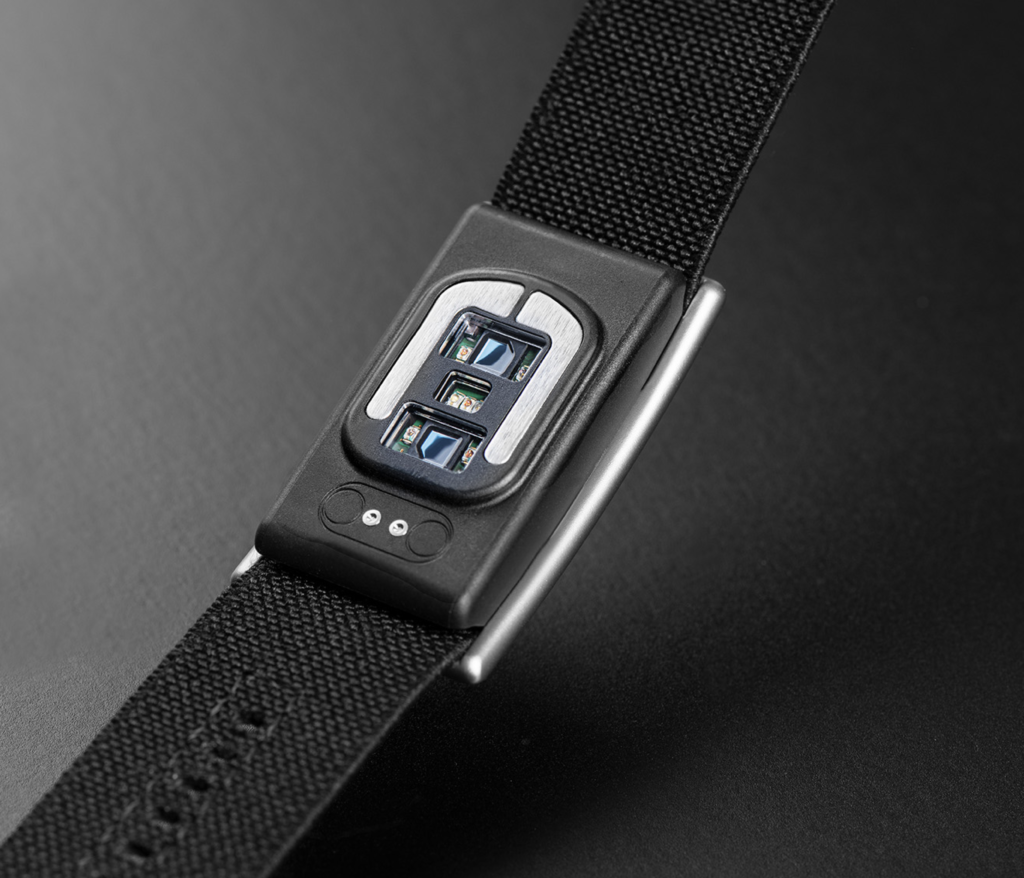
  • PPG sensor consists of an LED and a photodiode and measures fluctuations in the light reflected from the arteries and arterioles in the subcutaneous tissue.
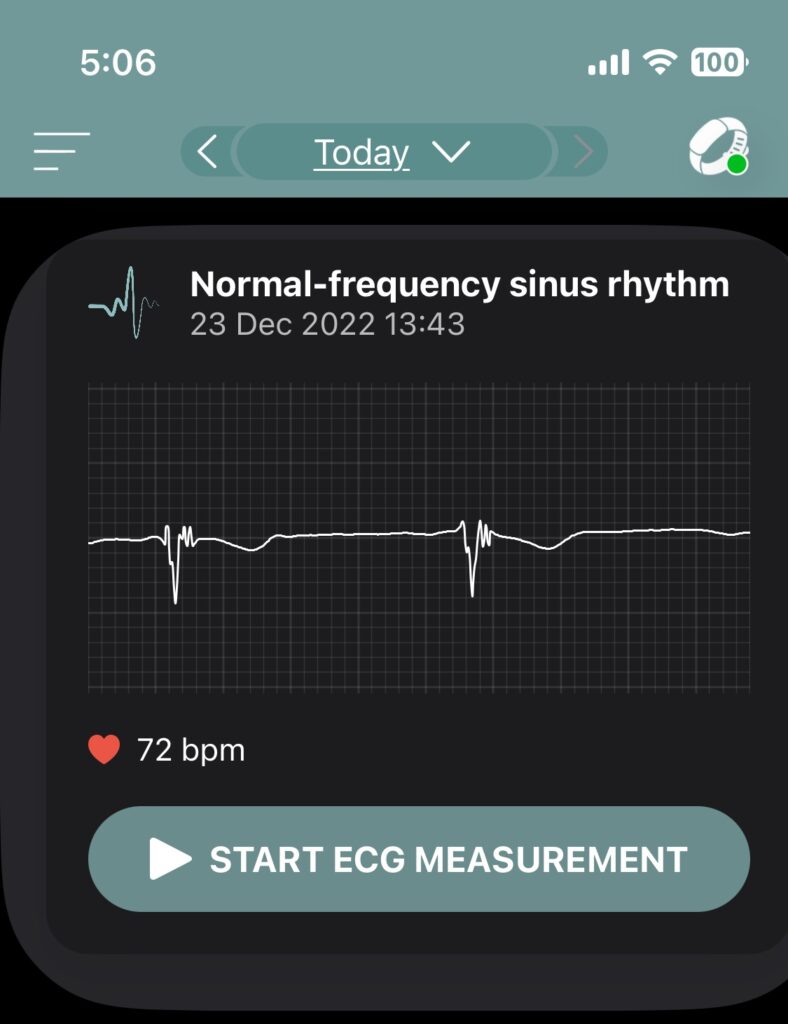
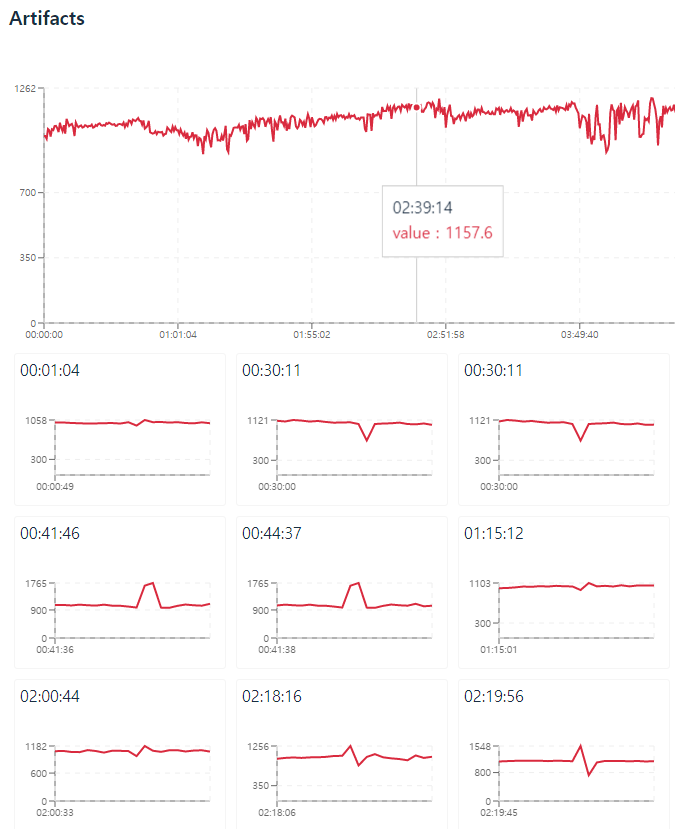
  • From the light fluctuations measured the actual heart rate and potential cardiac arrhythmias can be detected. In addition to the PPG sensor the accelerometer provides data on the activity level, and analyses heartbeat and especially heart rhythm – simple and at anytime.
  • A-Fib algorithm has been validated and detects irregular heartbeats (e.g.extrasystoles) as well as the presence of absolute arrhythmia with suspected atrial fibrillation (AF).
  • Flexibility to set data collection intervals by minute, by second or 25Hz, 32Hz
    and 128Hz.
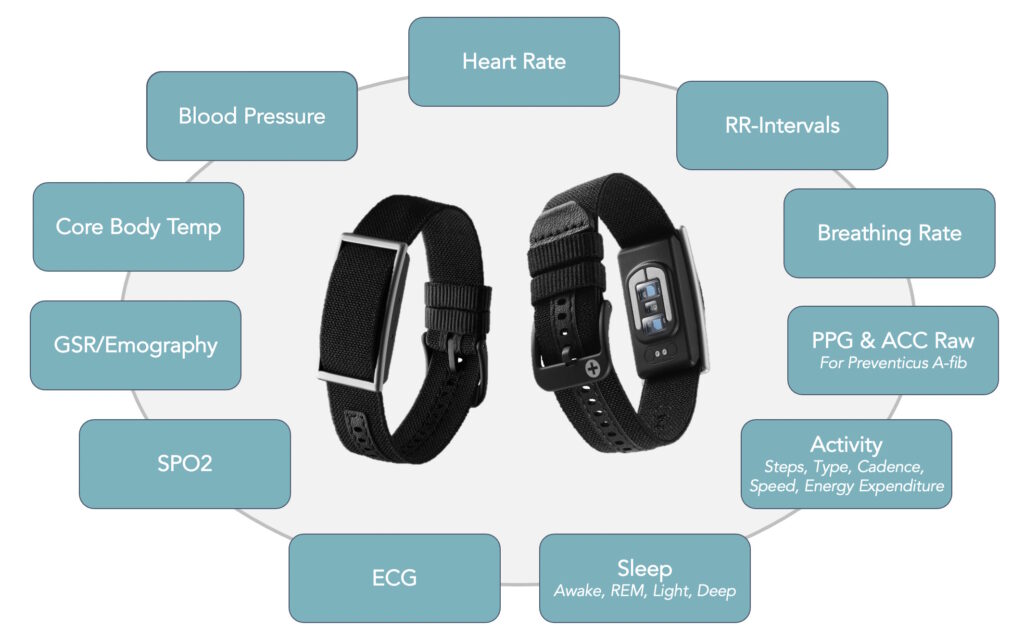
  • Measure Heart Rate, RR intervals, Breathing Rate, A-Fib detection, SpO2, Core Body Temperature, ECG, Activity and Sleep. Blood Pressure algorithm.

Recommended Users

1. Patients with Hypertension (High Blood Pressure)

Advanced Monitoring Solutions for Early Diagnosis and Management

Hypertension occurs when the force of blood against the artery walls is consistently too high, eventually leading to heart disease. Prolonged hypertension is a major risk factor for stroke, coronary artery disease, heart failure, atrial fibrillation, peripheral artery disease, vision loss, chronic kidney disease, and dementia.

Often called the “Silent Killer,” hypertension can persist without symptoms until it triggers a severe condition like a heart attack. Regular blood pressure monitoring allows cardiologists and general practitioners to diagnose health issues at an early stage.

2. Patients with Cardiac Arrhythmia

Cardiac arrhythmias are not always visible and often occur intermittently, making them difficult to detect during a standard clinic visit. Therefore, screening for atrial fibrillation (AFib) through long-term self-monitoring of heart rhythm is a preventive measure recommended by cardiac societies. Undetected and untreated AFib increases the risk of stroke by approximately five times.

3. Patients with Diabetes

The risk of developing atrial fibrillation is approximately 2 to 4 times higher in diabetic patients compared to those with a healthy metabolism. This is accompanied by a significant increase in stroke risk, as proven by numerous studies.

Regular ECG and heart rhythm checks using DoctorHealth are essential for early detection, especially in younger diabetic patients. Early-stage or paroxysmal atrial fibrillation is often impossible to detect using standard (Holter) ECGs during a brief clinic visit.

4. All Individuals Aged 55 and Over

The risk of atrial fibrillation doubles every decade starting from age 55. By age 80, 10% of the population suffers from AFib. Consequently, the risk of complications from AFib increases with age; the risk of stroke is five times higher at age 80 compared to those under 60. Separately, heart palpitations are often a side effect of hormonal imbalances. The uncertainty of whether these arrhythmias are harmless or serious remains a constant concern for many.

5. Individuals Experiencing Subjective Symptoms of Palpitations

With the DoctorHealth App, you can easily record and document your heart rhythm in just one minute using your smartphone—no additional accessories required. Because atrial fibrillation can appear and disappear unnoticed at any time, regular use is key. We recommend measuring twice a day initially, then twice a week, and whenever you feel palpitations.

6. Deterioration [Early Warning Scoring]

  • Prevention of Adverse Events Deterioration refers to a sudden decline in a patient’s condition, often manifested through subtle changes in vital signs or mental state. Because traditional monitoring relies on periodic assessments, critical signs of deterioration are often missed, posing a serious risk to patient safety.

  • Early Warning Scoring (EWS) To address the challenge of promptly recognizing clinical deterioration, the medical community introduced Early Warning Scoring (EWS). This system provides a structured approach, assigning scores based on the degree of deviation from a patient’s expected vital signs and other clinical parameters. Implementing EWS has been proven to improve the detection of at-risk patients, enhance communication among medical staff, and improve patient outcomes.

  • DrHealth Early Warning Scoring (EWS) DrHealth EWS facilitates both inpatient and outpatient monitoring by providing objective, real-time vital sign assessments. This predictive capability empowers medical staff to intervene proactively, potentially preventing adverse events and improving patient recovery.

7. Patients with Arrhythmia Following a Heart Attack

8. Patients with a History of Stroke

9. Individuals Experiencing Palpitations During Menopause

Vital parameters

Validated Data and Vital Parameters

  • Technology applied with two core values : medically reliable and correctly validated.
  • Monitoring processes are developed and operated for strategic partners, customers, clinical
    organizations, and patients.
  • IT Technology works closely with cardiologists, scientists, hospitals, patients and research institution. Vital parameters collected are used for detect and monitor changes in health status and physiology 

Inpatient management and treatment efficiency

Current system

Once a patient has been admitted to a hospital, patients will be checked on by the nursing staff every four hours (even during the night) with nursing teams being overworked and understaffed manual checks of patient vital signs and manual data entry may lead to errors and omissions.

New system with DoctorHealth

DoctorHealth eliminates the need for manual data entry by syncing patient vital sign data directly into the EHR system via DoctorBot or SMT system.

Patient Comfortable and Convenience patients can move around freely as well as sleep through the night without interruptions, which has been proven to lead to faster healing.

All this whilst having the reassurance that the physician is making the best possible treatment decisions based on validated cardiac vitals and core body temperature data.

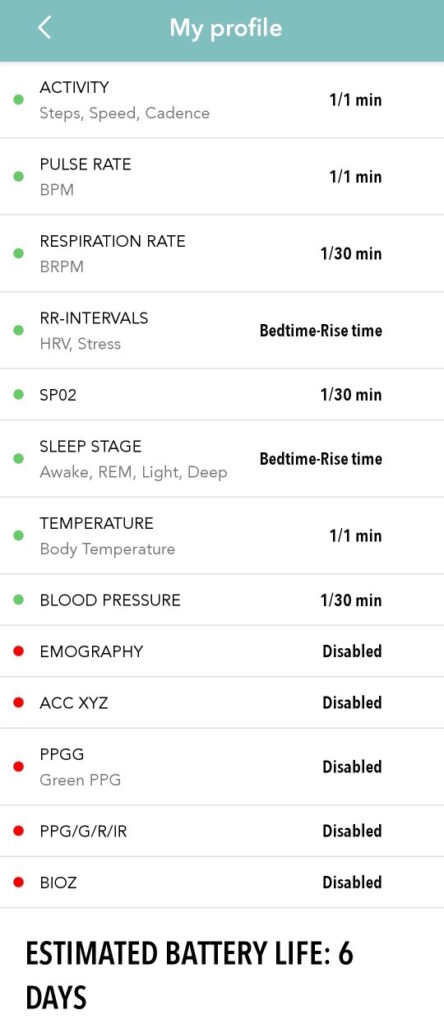
Granular Flexibility

It gives users ability to set the essential parameters that need to be monitored and their frequency.

In the case of specific risk group, the maximum frequency can be set to detect danger signals early.

Pulse rate

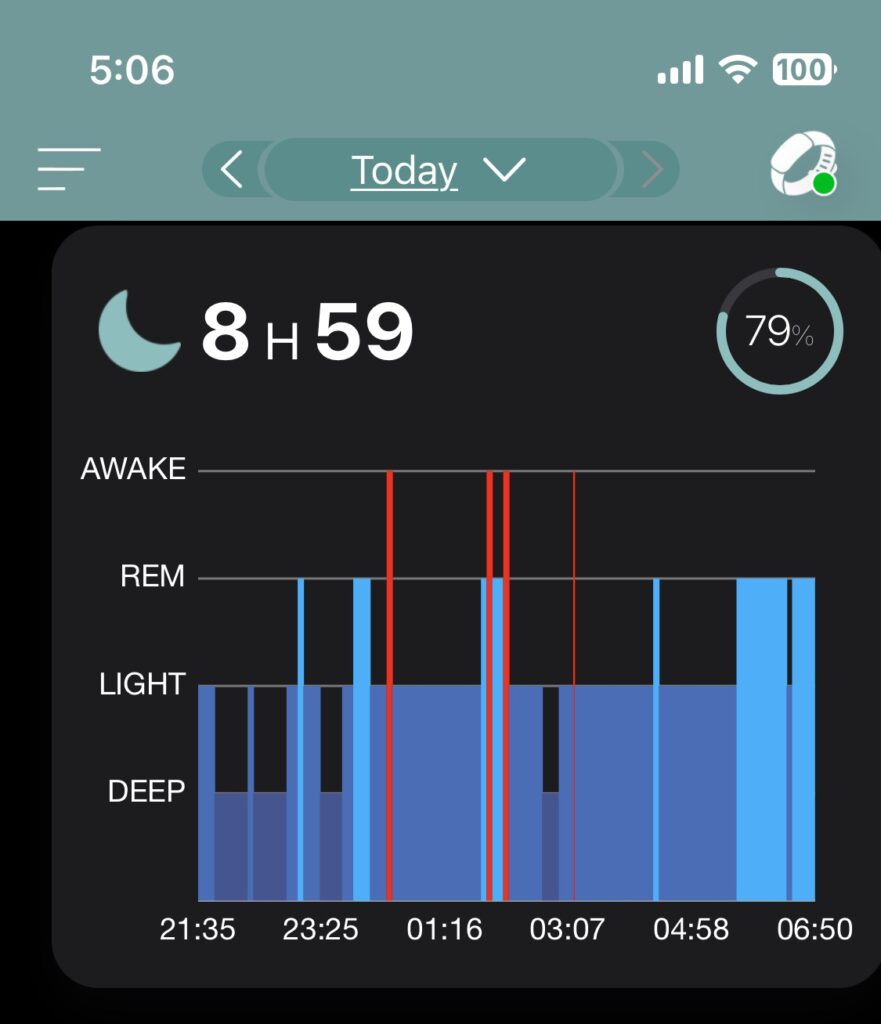
Sleep monitor

Detection of arrhythmia

Atrial Fibrillation detection
management service

Atrial Fibrillation detection management service I

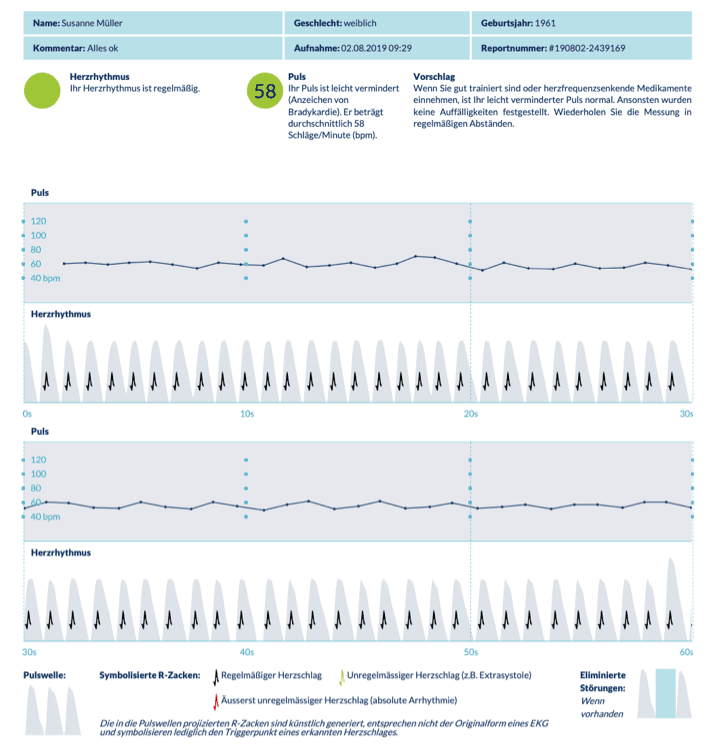
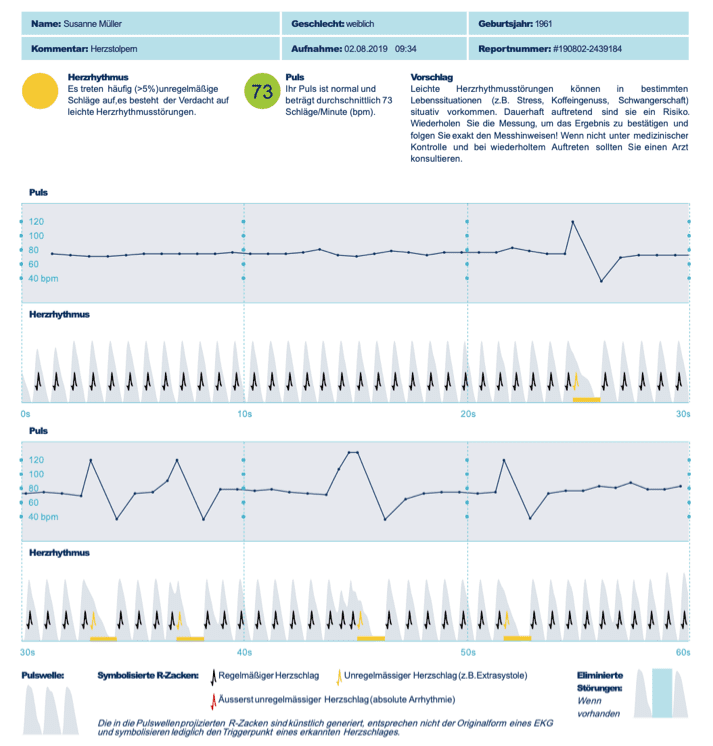
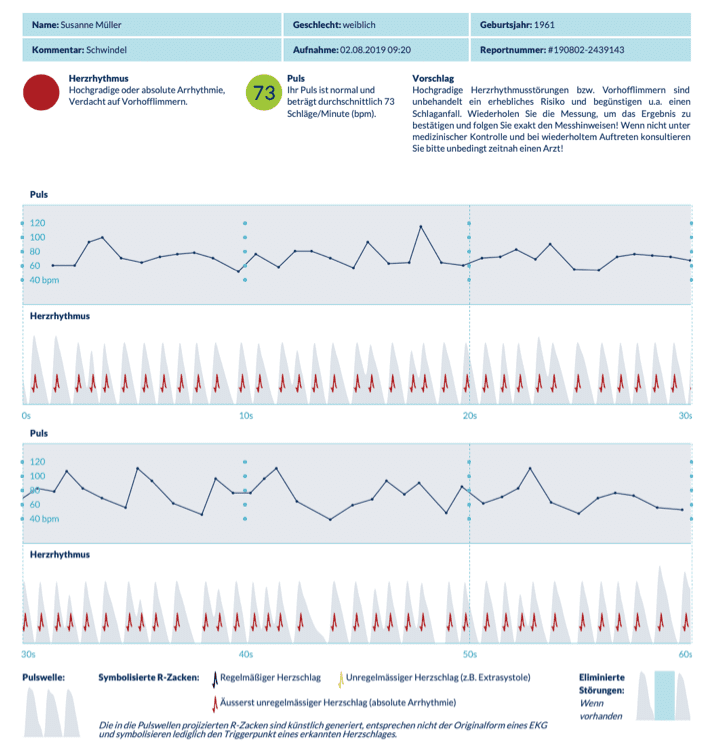
Measurement report [example] Daily provided


1. Summarized results of the heart rhythm analysis, 

2. Heart rate in beats per minute(bpm) 

3. Original pulse curve over the entire measurement


Normal status

Minor arrhythmia

Suspected arrhythmia. Consultation with a cardiologist recommended

Early detect of Cardiac Arrest service II

Coronary artery disease (CAD) is the main cause of a Cardiac Arrest.

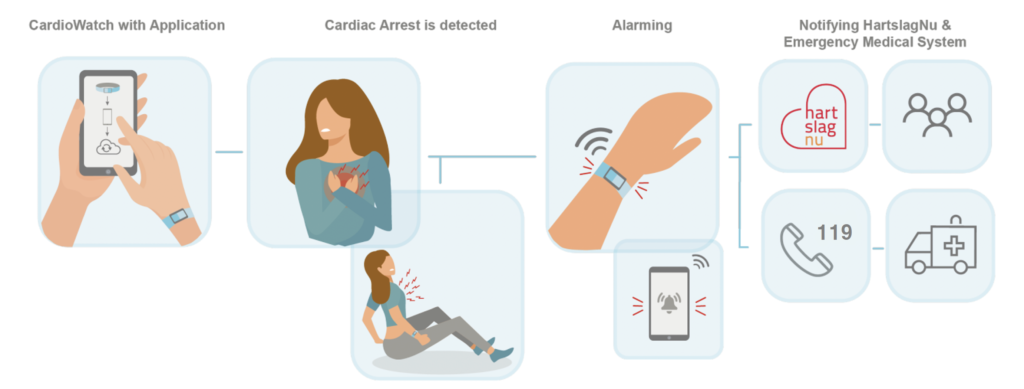
Delay to initiation of resuscitation significantly impacts survival rate. Automatic detection of circulatory arrest by DoctorHealth-3 (with LTE) will shorten the delay to initiation of resuscitation. Patients with CAD and patients who survived a prior Cardiac Arrest will wear Doctorhealth-3 continuously.

Cardiac Arrest algorithm monitors continuously and automatically informs the alert center and volunteers reanimation network in case of a detected Cardiac Arrest.

Out-of-hospital cardiac arrest is a leading cause of global mortality. 

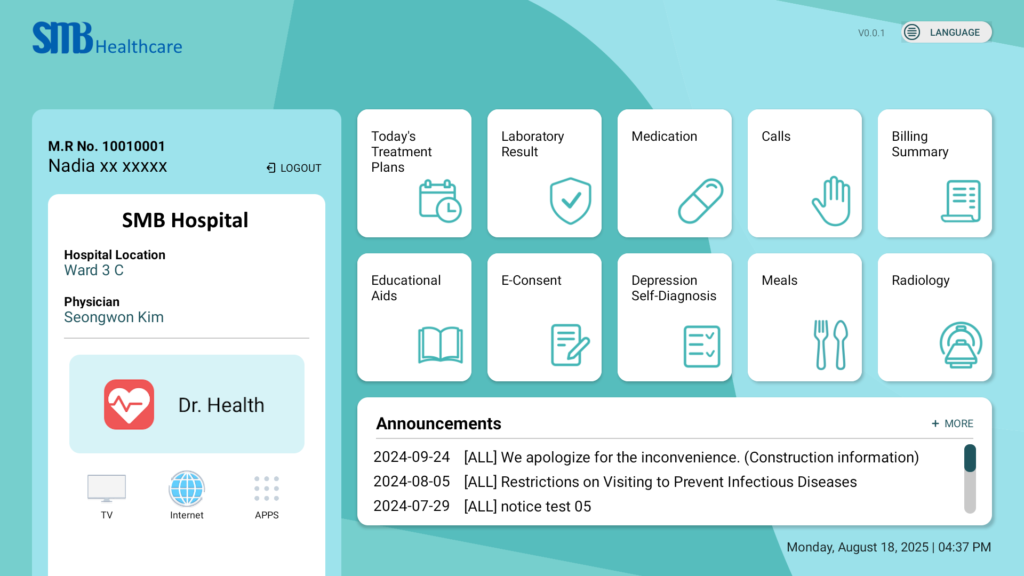
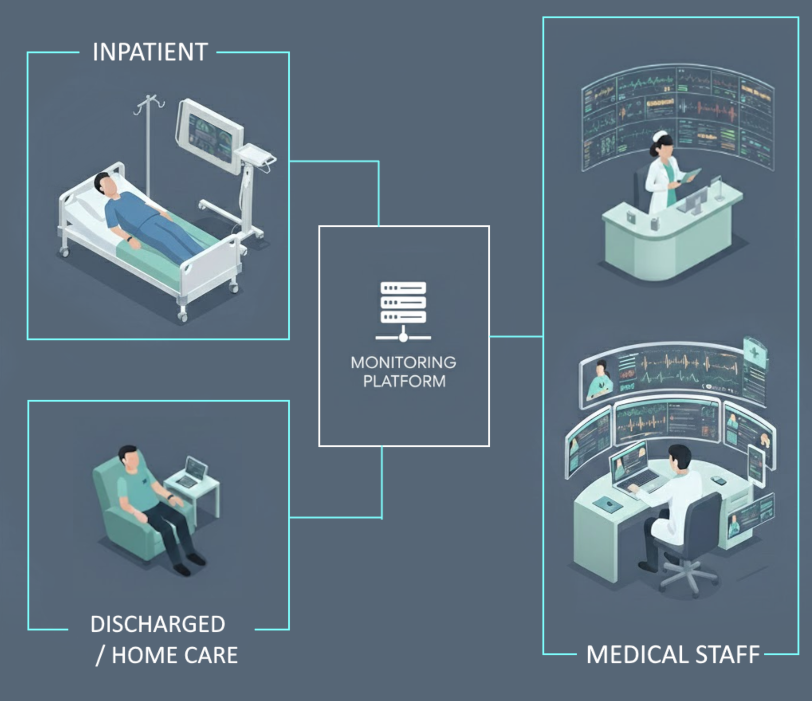
Integration with Digital Bedside Care Systems

Integrating with Digital Bedside Care Systems (SMT) to streamline inpatient management and optimize clinical workflows. Post-discharge Home-Care and rehabilitation systems monitor discharged patients for abnormal signs and manage their recovery exercises.